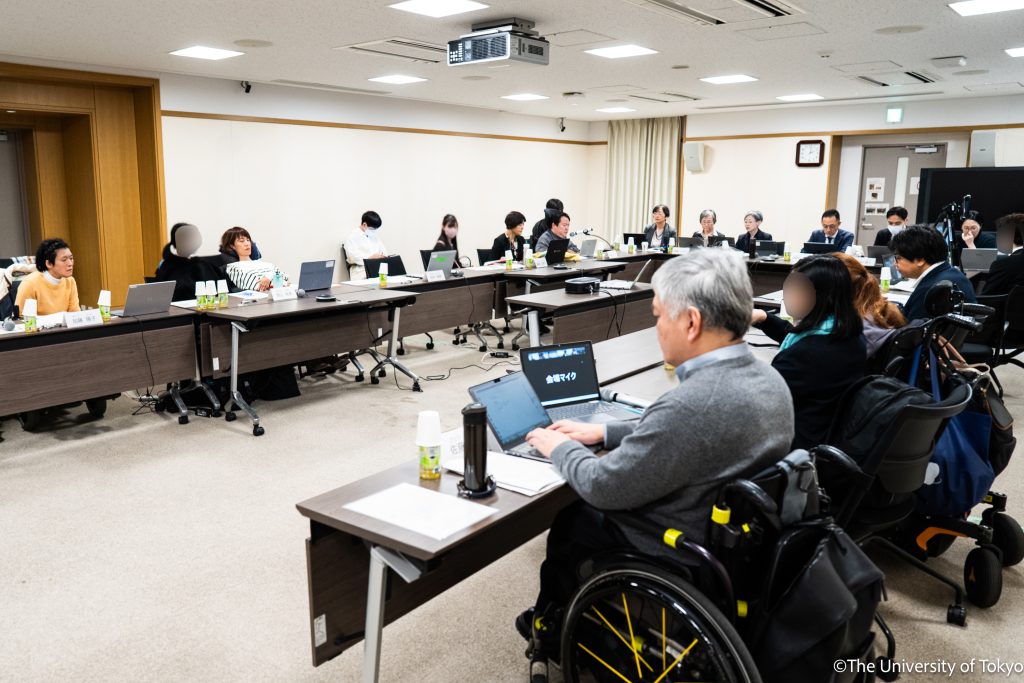




The 2nd IncluDE Research Workshop explored not only the benefits and convenience of AI technologies but also their risks and latent challenges. The session focused on how AI should be leveraged in DEI-related research—addressing issues of risk, ethics, and responsibility—while also examining various opportunities for application.
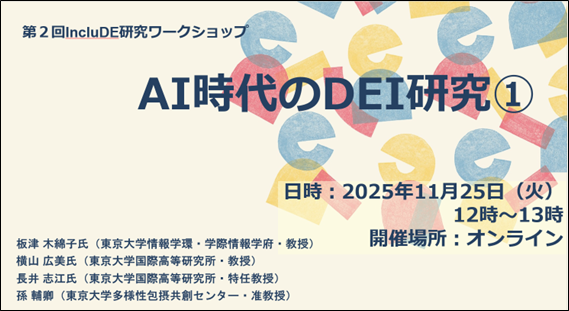
At the outset, Professor Itatsu provided a comprehensive overview of both the advantages and concerns of AI technologies in realizing DEI principles, drawing on perspectives from research and practice. In addition to highlighting the potential of AI, key points were raised regarding its negative impacts, including the reinforcement of bias and discrimination.
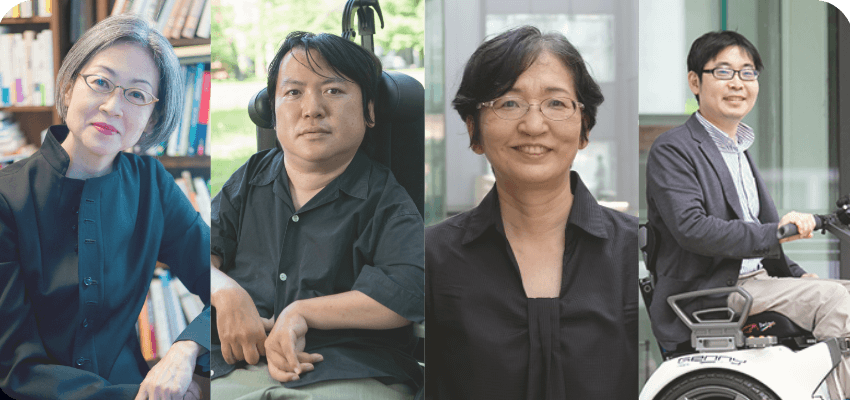
Following this, Professor Yokoyama introduced the concept of Green AI, addressing the energy consumption and environmental burden behind AI systems. Her talk examined the intersection of AI ethics and environmental ethics, and further discussed how Green AI can be meaningfully integrated into the discourse on DEI. Associate Professor Son then presented issues concerning sex differences in frailty and health status, followed by an overview of AI-based approaches for personalized prevention and medical care.
During the discussion session, Professor Nagai offered comments based on her research in elucidating mechanisms of developmental disabilities and neurodiversity and in developing neural network models. She provided specific insights into how the negative aspects of AI—such as the amplification of bias and discrimination—might be minimized while advancing research. She also raised important considerations on how researchers developing AI systems should understand and incorporate issues related to energy burden and the potential impact on minority groups.
In the closing segment, Professor Itatsu invited speakers to share their views on the reliability and governance required for the social implementation of AI technologies, including personal data protection and the need for institutional frameworks within industry.
Overall, 26 participants engaged in this workshop, which provided a valuable opportunity to exchange knowledge on the latest trends in AI × DEI research and to explore new directions for responsible AI utilization. By considering both the potential and limitations of AI, participants gained key insights into shaping the future of inclusive and ethical AI-driven research.